Solstice Traditions Around the World: How Humans Mark the Longest Day
Long before anyone could explain the astronomy, people built monuments and festivals around the summer solstice. Here is how cultures across the world still mark the longest day.
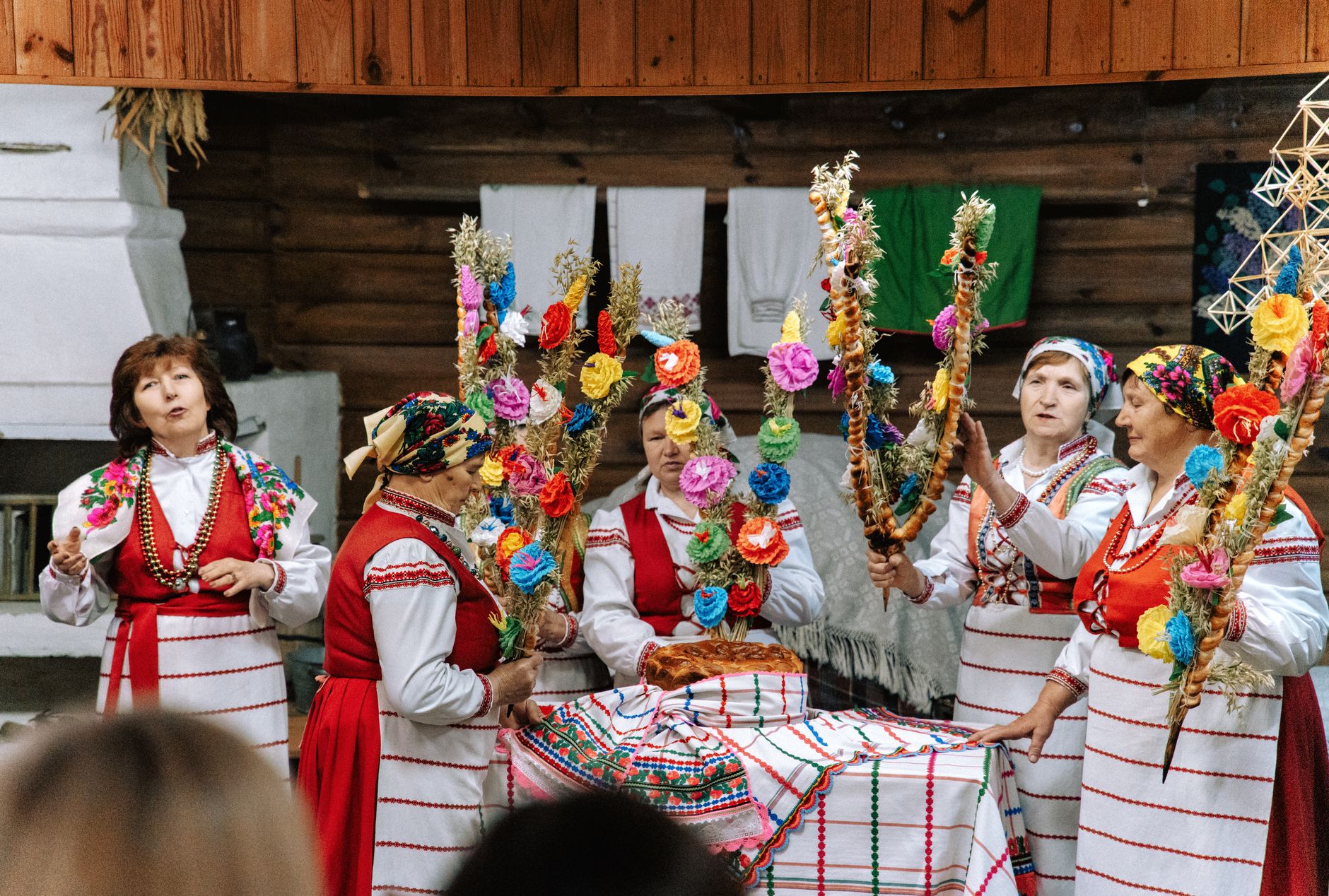
For as long as people have watched the sky, the longest day has been worth marking. Thousands of years before anyone could explain axial tilt, cultures across the world noticed that the sun reached a yearly extreme and reversed, and they built monuments, lit fires, and held festivals around the moment. What is striking is not that these traditions existed but that so many of them survive — at Stonehenge, across Scandinavia, in cities that have layered a public festival on top of an ancient one. The solstice is one of the oldest things humans still observe, and the observing has barely stopped.
What happened
The most famous solstice marker is Stonehenge, where the stones align with the sunrise on the June solstice and still draw crowds who gather before dawn to watch the sun come up over the Heel Stone. It is not unique. Ancient sites around the world — from passage tombs to temple complexes — were built so that light falls a particular way on this date, which means their builders had tracked the sun precisely enough to engineer for it. Aligning many tons of stone to a single sunrise is not casual folklore; it is observational astronomy encoded in architecture.
The living traditions are just as telling. In Scandinavia, Midsummer is among the most important holidays of the year, celebrated with maypoles, flowers, feasting, and gatherings that stretch through the long northern evening when the sun barely sets. Across Europe and beyond, solstice bonfires have burned for centuries, the fire standing in for the sun at its height. Many of these customs were later folded into religious calendars, but the underlying event — the sun at its peak — is what they were always organized around. The dates of festivals moved and merged; the astronomy underneath stayed put.
Why it matters
These traditions are evidence of something easy to forget in a world of clocks and calendars: for most of human history, the sky was the calendar. People organized planting, harvest, and ritual around celestial events because those events were the most reliable timekeepers available. The solstice was a fixed point everyone could see, and marking it was both practical and meaningful — a way to coordinate a community and to make sense of the year's rhythm.
That so many of these customs persist says something about why we keep them. The astronomy is now settled and the practical need for sky-watching is gone, yet people still rise before dawn at ancient stones and still light midsummer fires. The traditions endure not because they are useful but because they connect us to a very long human lineage of paying attention to the sky — and because a shared moment that everyone, everywhere, can witness on the same day is rare and worth keeping.
- A tangible link to deep history — the same event our distant ancestors organized their year around.
- Genuinely universal: nearly every culture noticed and marked the solstice, making it a rare shared human moment.
- The traditions invite people outdoors to actually observe the sky, which the rest of modern life rarely does.
- Popular retellings often romanticize or oversimplify the history, flattening very different cultures into one story.
- Famous sites can become crowded, commercialized spectacles that crowd out the quiet observation at their root.
- It is easy to celebrate the ritual while losing the astronomy it was built to honor in the first place.
How to think about it
Treat the traditions as a record, not just a party. Each monument aligned to the solstice and each surviving festival is a data point about how carefully people once watched the sky and how much it mattered to them. Read that way, Stonehenge is less a mystery than a precise instrument, and Midsummer is less a quaint holiday than the continuation of an unbroken habit of marking the year by the sun. The festivities are the visible surface; the astronomy is the structure underneath, and the interesting move is to keep both in view at once.
If you want to mark the solstice yourself, you do not need a monument. Step outside near sunset and simply notice it — the lateness of the light, the far-northern point where the sun goes down, the length of the day. That act of looking up is the whole tradition stripped to its core, and it is exactly what every fire-lighter and stone-raiser was doing thousands of years ago. The longest day is one of the few occasions where joining an ancient human practice costs nothing but attention.
FAQ
Why does the sun align with Stonehenge on the solstice?+
What is Midsummer and how is it related to the solstice?+
Did cultures that could not explain the astronomy still track the solstice accurately?+
- news·5 min readThe Summer Solstice Explained: Why June 21 Is the Longest Day
The summer solstice is the longest day of the year in the Northern Hemisphere. Here is the simple astronomy behind it, what actually happens in the sky, and why it matters.
- news·3 min readHow Leaded Gas Became a Known Poison on Its First Day and What It Teaches Modern Tech
Leaded gasoline was identified as a lethal toxin the day it hit the market, and its century‑long legacy offers stark lessons for today's tech builders.
- opinion·3 min readWhy the Era of Music Piracy Fostered Deeper Discovery Than Modern Streaming
A look at how music piracy once enabled serendipitous discovery and community bonds, and why streaming has changed that dynamic.
The week’s highest-signal tech and AI stories, synthesized into a five-minute read. One email a week, no spam, unsubscribe anytime.